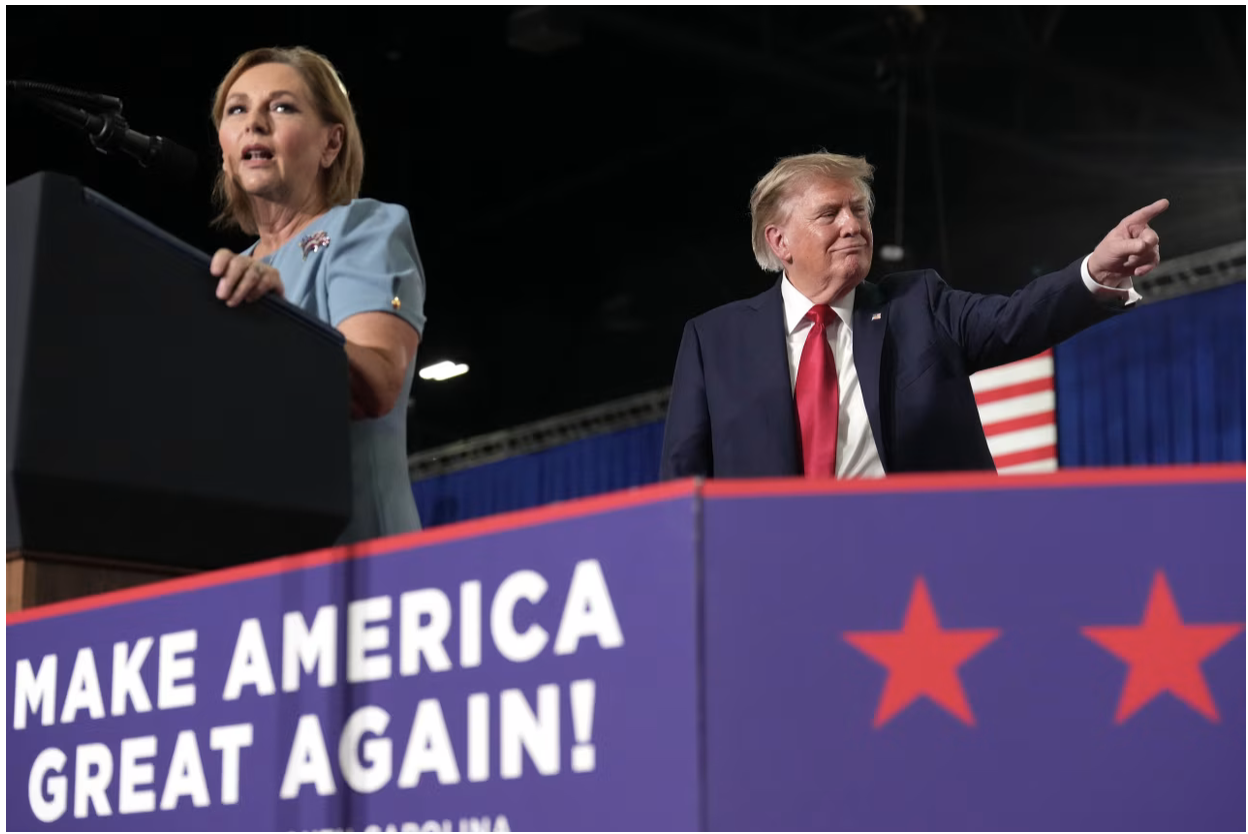
Donald Trump’s cabinet is off to an impressive start. Mr. Trump has picked accomplished leaders, including Sen. Jeff Sessions,Betsy DeVos and Wilbur Ross. Their competence, seriousness and reform-minded spirit reflect well on the president-elect.
Mr. Trump is now viewed favorably by the same share of Americans that he won at the ballot box. Forty-six percent see him positively, according to a survey released Nov. 21 by Politico/Morning Consult, and 46% see him negatively. That’s a big improvement from exit polls on Election Day, when voters rated Mr. Trump 38% positive and 60% negative.
There’s more work to be done: Mr. Trump approaches his Jan. 20 inauguration with the worst favorability numbers of any modern president. This matters because a well-liked president has more political capital. If Team Trump wants his ratings to keep rising, it should (a) focus on the important issues, (b) keep expectations in check and (c) understand the reality of the GOP’s congressional majorities.
Take the infrastructure chatter from Steve Bannon, Mr. Trump’s chief strategist, who wants to “rebuild everything,” including “shipyards, iron works,” with a $1 trillion program. “We’re just going to throw it up against the wall and see if it sticks,” he said.
Congressional Republicans will feel hinky about that trillion-dollar price tag, having spent years decrying the cost and feeble results of President Obama’s $830 billion stimulus. That’s especially true given the vote coming next March on raising the debt ceiling.
The GOP Congress might be averse to spending tax dollars to prop up private companies, having attacked Democrats over Solyndra’s bankruptcy. Republicans also might be suspicious of creating a new infrastructure bank, having assailed pay-to-play cronyism by Hillary and Bill Clinton and their foundation.
The Trump campaign promised that its infrastructure plan would be “deficit-neutral,” proposing tax credits to “attract new private infrastructure investments.” That’s all well and good: Encouraging private investment can free up money already in the budget.
But not all infrastructure can be provided by public-private partnerships. Should every road or bridge be subject to a toll? The new administration also needs to strengthen existing infrastructure programs like those of the Highway Trust Fund and Army Corps of Engineers.
Increased automobile fuel economy has meant that gas-tax receipts haven’t kept pace with the miles driven. The Highway Trust Fund stays solvent only through transfers from general revenue. But they have not kept pace with the need for more roads, repairs and maintenance.
The Army Corps of Engineers has a project backlog—ports, flood control, inland navigation—of nearly $60 billion, all with net economic benefits. Most require state, local or private matching funds, which in many cases are already pledged.
These construction projects could create jobs, but only if there is long-term funding. Contractors and suppliers won’t hire people or invest in facilities and equipment unless funding is locked in through multiyear appropriations.
To read more visit WSJ.com