Tuesday's special elections for House seats in New York and Nevada were devastating for Democrats. Both races turned into a referendum on President Obama, who again proved how unpopular he is.
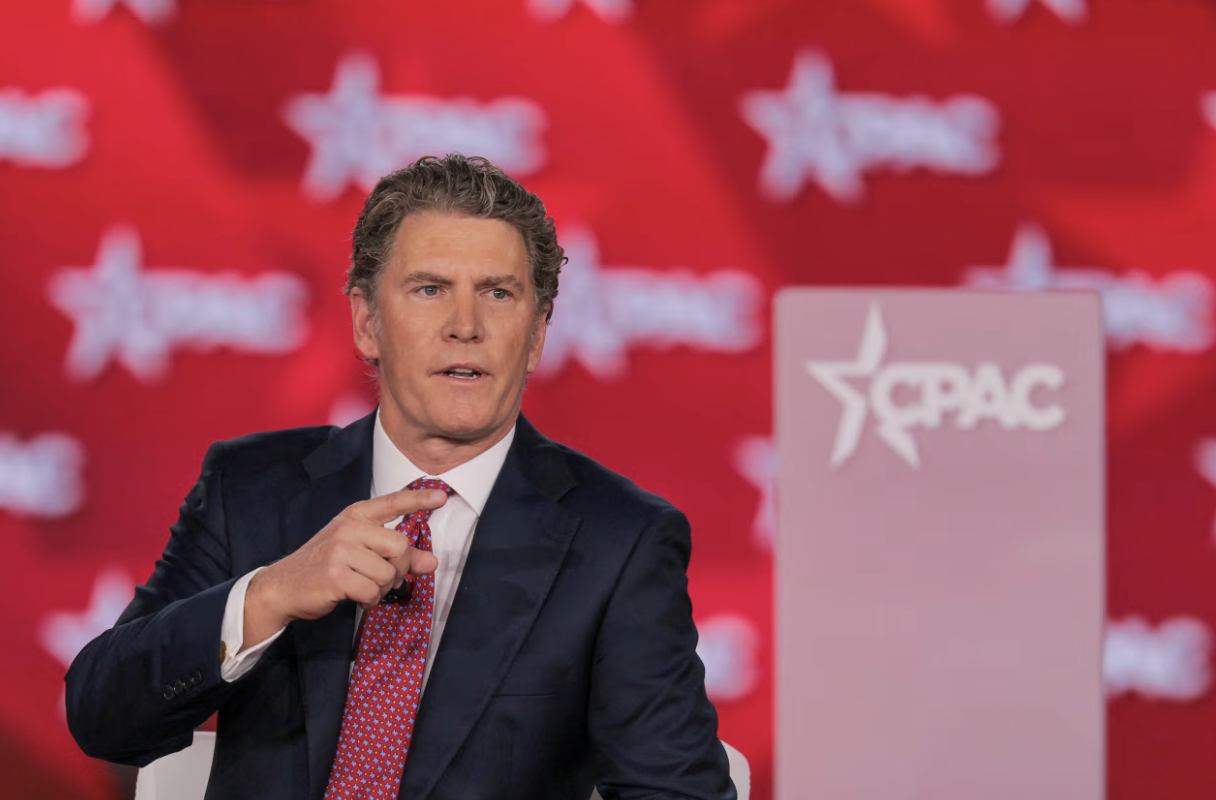
The New York seat made vacant by Anthony Weiner's sexting scandal has been in Democratic hands since 1923. Mr. Obama carried it by 11 points in 2008, but on Tuesday Republican Bob Turner beat Democrat David Weprin by eight. In a district with a 3-1 Democratic registration advantage, dissatisfaction with Mr. Obama among blue-collar ethnics and orthodox Jews was central to the GOP victory.
John McCain carried Nevada's 2nd District by a mere 88 votes in 2008. Yet Tuesday, former state Republican chairman Mark Amodei beat State Treasurer Kate Marshall by 28,307. (Full disclosure: I'm associated with a group—American Crossroads—that spent $265,000 on mail, phones and online media to drive up GOP early voting in the race.)
In some ways, the Nevada defeat is the more damaging. While both Democrats were lavishly funded, Mr. Weprin is now being disparaged as a poor campaigner. However, Ms. Marshall was thought to be the perfect candidate. Running the 2012 Democratic playbook, she ran ads accusing Mr. Amodei of "supporting an end to Medicare to give tax breaks to millionaires." It didn't work.
The Obama presidency is now in a downward spiral. The economy has flat-lined, his poll numbers are plummeting, and Democratic leaders are turning on the president.
In a speech at Wayne State Community College last month, California's Rep. Maxine Waters, a leader of the Congressional Black Caucus, said of African-Americans, "We're getting tired . . . we don't know what the strategy is." Oregon's Rep. Peter A. DeFazio complained to the New York Times last week that "enthusiasm . . . has mostly evaporated . . . There is tremendous discontent." In the same news story, Maryland Rep. Elijah E. Cummings said "The frustrations are real," while Jon M. Ausman, a Democratic National Committee (DNC) member from Florida admitted that "If the election were held today, it would be extremely close" in the Sunshine State. "The alarms have already gone off in the Democratic grass roots," added New York DNC member Robert Zimmerman. "If the Obama administration hasn't heard them, they should check the wiring of their alarm system."
Part of this on-the-record Democratic criticism is a reaction to Mr. Obama's arrogance and aloofness, which leaves him without much personal affection among party leaders and members of Congress. Part of it is the concern that the president has turned the DNC into an arm of his own re-election campaign and has little interest in helping congressional Democrats in 2012. And part of it springs from the unreasonable expectations among some Democrats who anticipated an even more radical agenda from Mr. Obama.
So when Democrats lose elections as they did Tuesday or last fall, they panic. And in their panic, they distance themselves from the president.
Mr. Obama's instinct will be to re-energize his base by moving further left. But embracing more liberal policies and more aggressive language against his political opponents will be a big mistake.
Mr. Obama's main political challenge between now and November 2012 is winning back independent voters. After voting for him by a 52-to-44 margin in 2008, only 41% approve of his job performance and only 34% approve of his handling of the economy in the latest Resurgent Republic Poll.
On big issues, independents look a lot more like Republicans than Democrats. For example, in Gallup's August 14 survey measuring Mr. Obama's performance on jobs, the economy and budget deficits, Republicans gave an average of 7% approval on the three questions, independents an average of 22%, and Democrats an average of 55%. These are dreadful numbers and moving left will make them worse. Winning back independents is a more vital task than placating his intra-party critics.
Here's an example of Mr. Obama's dilemma. In remarks prior to a presidential speech on Labor Day, Teamsters President Jimmy Hoffa referred to Republicans and tea partiers as "sons of bitches" who needed to be "taken out." By artfully distancing himself from Mr. Hoffa's inflammatory attack, Mr. Obama could have reminded independents of his 2008 promises to heal America's political divisions through a more civil discourse.
But a badly weakened president decided he dared not cross a labor ally, no matter how thuggish the rhetoric. So he remained silent.
Mr. Obama is in a bad place. Tuesday's special election results will only intensify Democratic unhappiness with him. And his reaction to this will diminish his standing with independents. Things are about to get uglier for the Obama West Wing.
This article originally appeared on WSJ.com on Wednesday, September 14, 2011.