With the Iowa caucuses 62 days away and Election Day 2012 only a year off, President Obama's prospects look perilous. Yet the GOP contest remains volatile. What can we deduce about the race to come—other than that Herman Cain has had a bad week that's far from over?
Since NBC began asking the question in 1989, no president has won re-election with as many Americans—74%—saying a year before the election that the country is "on the wrong track." Nor has any president been re-elected with so few Americans—13%—telling Gallup that they are "satisfied" with how things are going in the country. And no president has been re-elected a year after having a job-approval rating as low as Mr. Obama's is today—43%—since Gallup began asking the question in 1945.
Since 1952, consumer-confidence numbers have been higher at this point even for presidents who failed to win re-election than they are for Mr. Obama today. He is presiding over an economy that registered a 60.9 rating in last month's University of Michigan Consumer Sentiment report.
It's unlikely that positive economic news will alter these numbers dramatically before next November. Through 2012, the Congressional Budget Office, the Federal Reserve and even the White House Office of Management and Budget all forecast unemployment around the current level of 9.1% and anemic growth of between 2% and 2.7%.
Still, Mr. Obama cannot be counted out. It is folly to believe that any Republican can beat him. The president and his team lack the ability to run on a positive record but they can run a negative campaign designed to disqualify the GOP nominee. Such a strategy will be ugly, but it could also be successful.
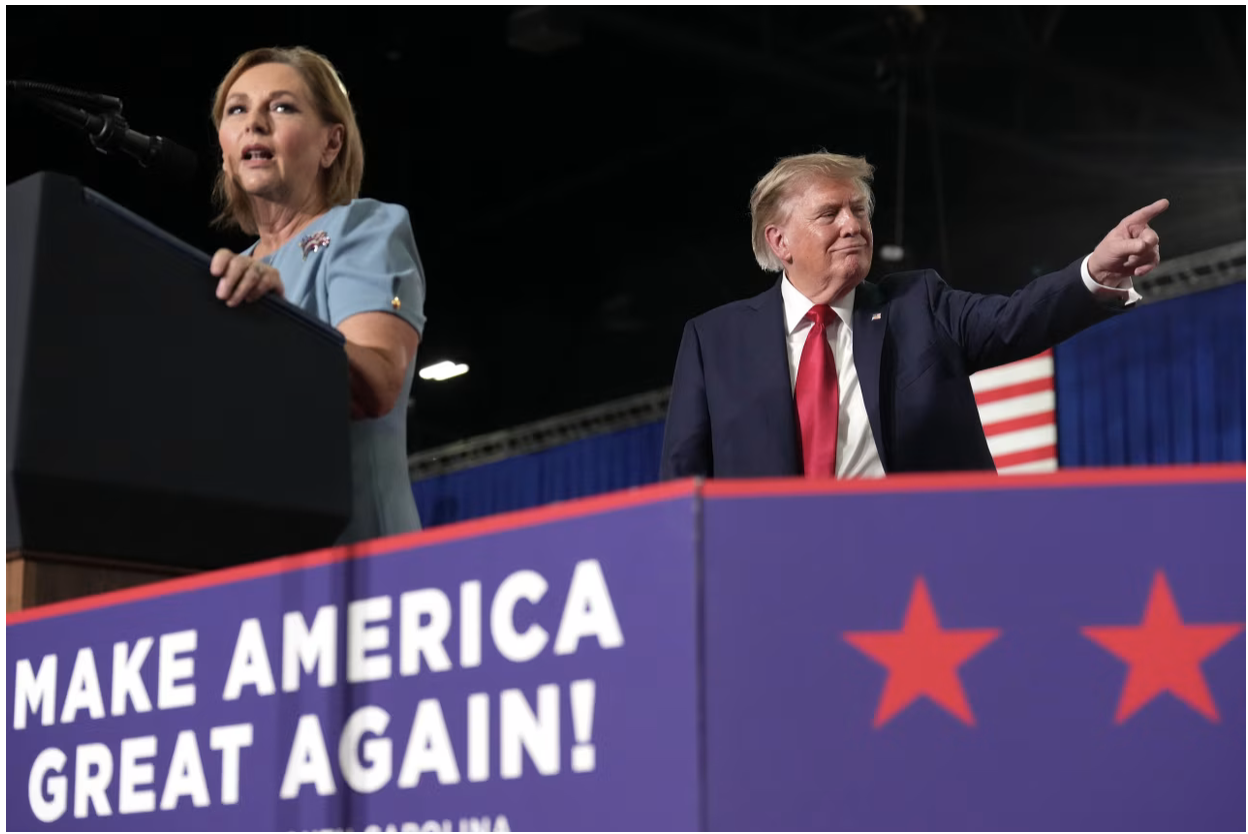
The GOP nomination fight is very much up for grabs. In Tuesday's RealClearPolitics average of recent polls, Herman Cain led with 25%, followed by Mitt Romney with 24.3%, Rick Perry at 10.5%, Newt Gingrich at 9.3%, and Ron Paul at 8.5%. Mr. Cain was at 29% and 30% in two mid-October polls but his numbers plateaued there.
A note of caution: Four years ago today, Rudy Giuliani was in front with 29% support, followed by Fred Thompson with 17%, John McCain with 14.7%, Mitt Romney with 11.2% and Mike Huckabee with 6.7%. But in every cycle, the polls really worth paying attention to are those in early primary and caucus states.
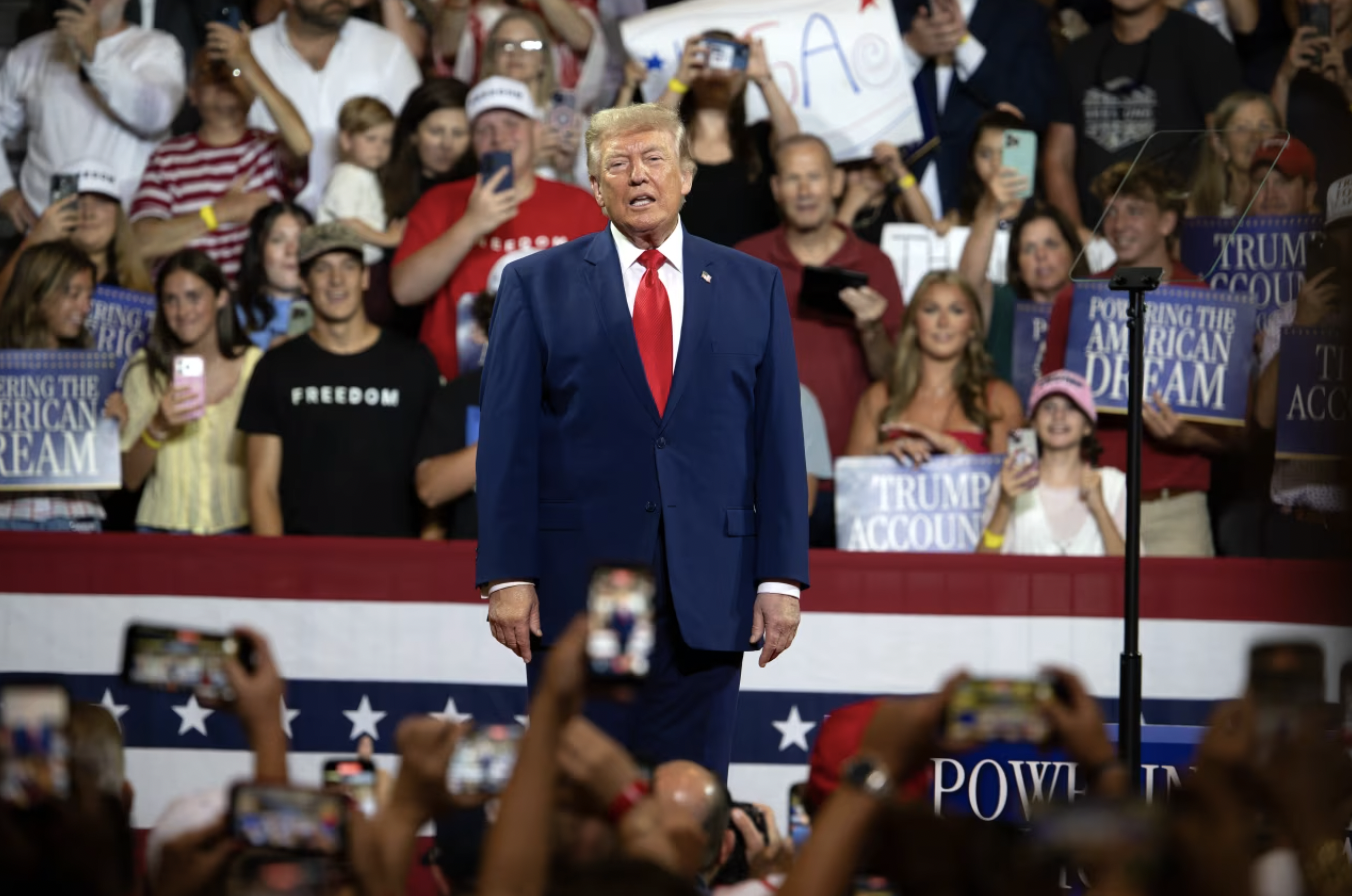
This year's GOP race has a new wrinkle: Some candidates—including Mr. Gingrich and Mr. Cain—are pursuing a novel strategy that exploits the explosion of televised debates with relatively large audiences. The Sept. 22 debate, cosponsored by Fox, Google and the Florida GOP, attracted 6.1 million viewers. As many as 60,000 Iowans, 26,000 Granite Staters, and 91,000 South Carolinians could have tuned in. It would take a candidate a long time to reach that many people through a retail campaign.
So while some candidates are spending almost all their time in states with early contests, others are ranging more broadly around the country or stumping less frenetically, counting on their debate appearances to substitute for retail campaigning and traditional organization. This strategy may work, though my gut tells me that voters in early states feel keenly about their role as vetters and will insist on seeing candidates up close, not just on their televisions.
The GOP contest may go on longer than expected, even if one candidate begins consistently winning. More delegates will be awarded proportionally rather than winner-take-all. This encourages candidates to compete well after it's clear they can't win the nomination. As long as they're getting votes, they're getting more delegates—and with them more prestige, leverage and visibility.
It's also now taken as received wisdom that Republicans are unenthusiastic about their candidates, but evidence suggests otherwise. In the Aug. 18-22 Associated Press poll, 64% of Republicans said they were "satisfied" with the GOP field, up from 52% in June. The Sept. 25-27 Fox News poll found 63% of Republicans "impressed" with their choices, up from 44% in April. By comparison, in a mid-October 1991 CBS/New York Times poll, only 18% of Democrats were "satisfied" with their field and 64% wanted someone else to enter the race. And we know how the 1992 contest turned out.
Bad economic news and GOP enthusiasm mean increasingly that the president's re-election hopes depend on an exceptionally weak Republican running an unusually bad campaign. The warning to Mr. Obama is this: It's always better not to depend on your opponent making big mistakes.
This article originally appeared on WSJ.com on Wednesday, November 2, 2011.