Tuesday night’s Republican presidential debate was the best so far. The moderators emphasized substance and the candidates complied, most doing themselves some good — the biggest exception being Donald Trump.
Four contenders again put in fine performances: In the main debate, Sen. Marco Rubio, Sen. Ted Cruz and former Hewlett-Packard CEO Carly Fiorina; in the preliminary round, Gov. Chris Christie.
A naturally gifted performer, Mr. Rubio came off as visionary and knowledgeable, an agent of change focused on the future. He was fluid on economics and answered a foreign-policy attack by Sen. Rand Paul with a global tour de force.
Polished by years of college debate, Mr. Cruz had the night’s best line. He said that immigration is an economic issue, and that the politics around it would “be very, very different if a bunch of lawyers or bankers were crossing the Rio Grande. Or if a bunch of people with journalism degrees were coming over and driving down the wages in the press.”
Mrs. Fiorina, who prospered in past debates but failed afterward to solidify her gains, again had sizzle. But she offered steak, too: “zero-base budgeting,” “a three-page tax code,” “a top-to-bottom review of every single regulation on the books.”
Jeb Bush went in facing the most pressure and came through, reassuring supporters with his best performance so far. He whackedHillary Clinton for saying that President Obama’s economic policies “get an A,” declaring that a weak jobs picture, growing poverty and increasing dependency on food stamps “may be the best that Hillary Clinton can do, but it’s not the best America can do.”
Mr. Bush scored points in an exchange with Donald Trump on foreign policy by saying, “We’re not going to be the world’s policeman, but we sure as heck better be the world’s leader.” He also effectively labeled Mr. Trump’s plan to deport 12 million illegal immigrants as impossible, impractical and harmful.
Ben Carson played defense, which was more than sufficient. At the evening’s start he dismissed questions about his biography by saying, “I have no problem with being vetted. What I do have a problem with is being lied about.” He then delivered a zinger, saying that Mrs. Clinton privately told her daughter and an Egyptian official that the 2012 Benghazi attack was the work of terrorists, while publicly blaming it on an anti-Muslim Internet video. “Where I came from,” Mr. Carson said, “they call that a lie.” The crowd roared its approval.
Govs. Bobby Jindal (in the undercard debate) andJohn Kasich (on the main stage) were energetic. But they damaged themselves—Mr. Jindal by mocking Mr. Christie, whom he said deserved “a ribbon for participation, and a juice box”; Mr. Kasich by sounding petulant as he tried to barge into the conversation.
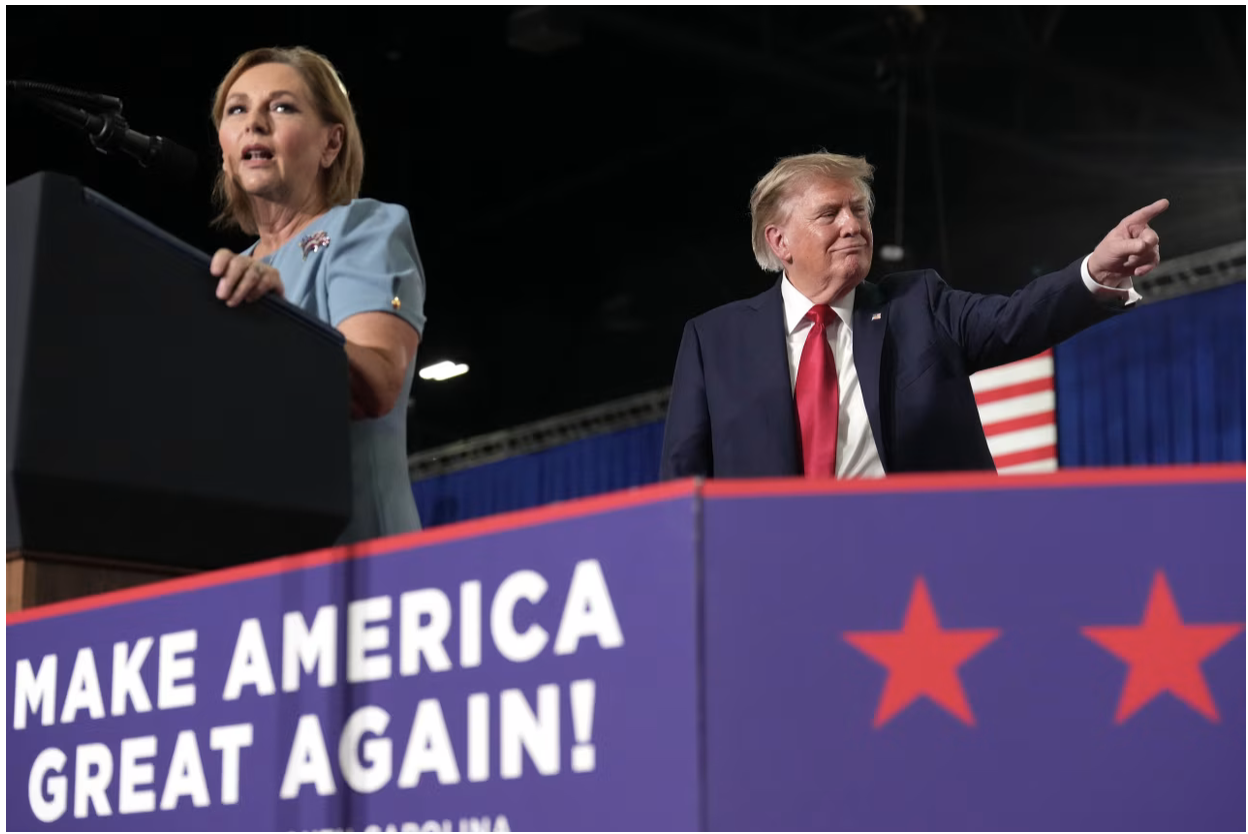
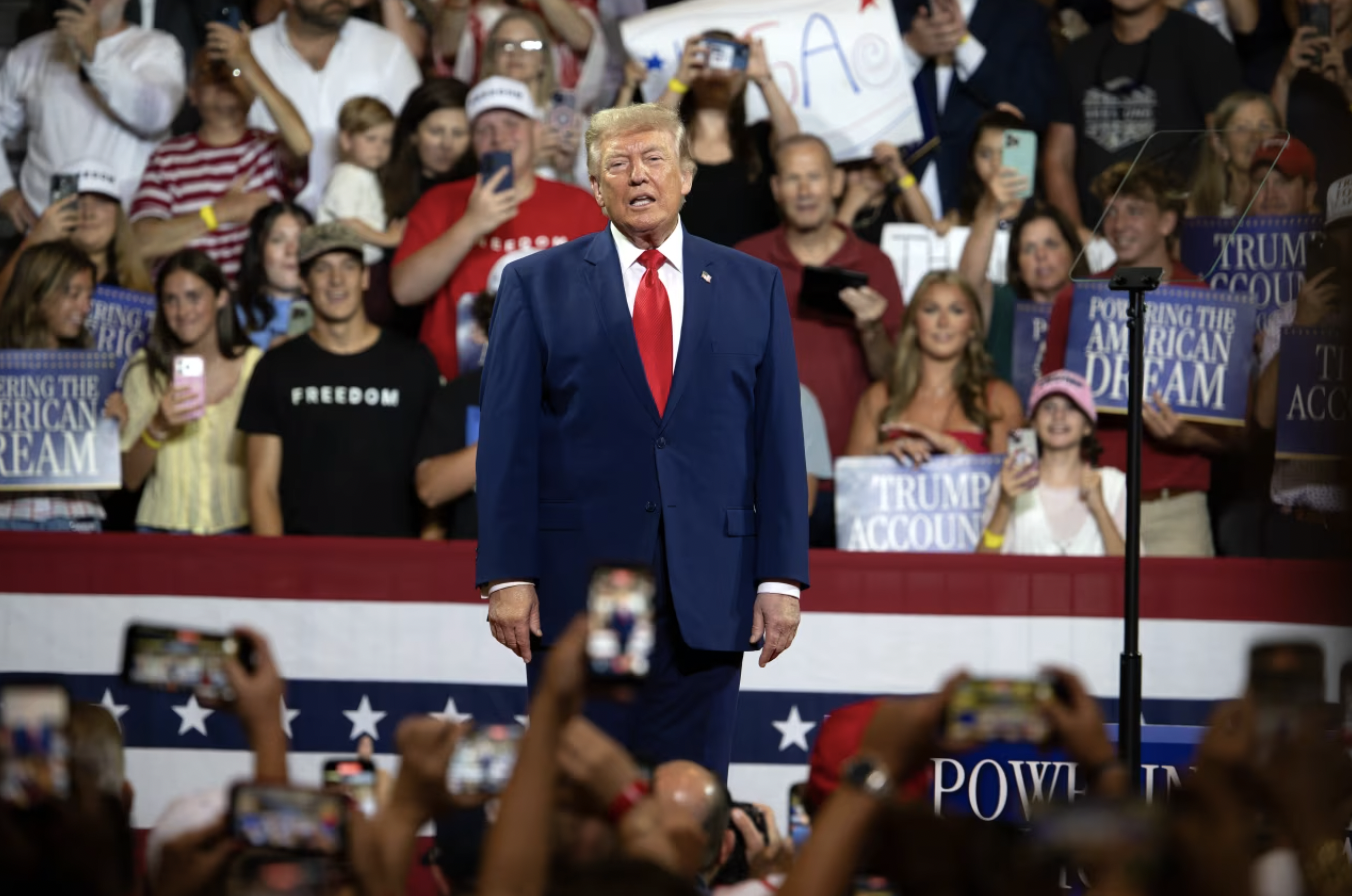
But the night’s biggest loser was Mr. Trump, who revealed himself as full of contradiction and without depth. He had some good lines, including on immigration: “We’re a country of laws. We either have a country or we don’t have a country.” But what he said next was nonsensical: Illegal immigrants “are going to have to go out—and hopefully they get back.” We should forcibly remove 12 million people, only to invite them back?
In addition, after arguing for months that illegal immigration pushes down Americans’ wages, Mr. Trump said he opposes raising the minimum wage to $15 an hour. Wages, he said, are already “too high,” which hurts U.S. competitiveness, adding that Americans would “have to work really hard” for bigger paychecks.
Mr. Trump’s worst moment came when he attacked the Trans-Pacific Partnership trade deal, saying that Chinese currency manipulation is “not even discussed in the almost 6,000-page agreement.” Mr. Paul did the takedown: “We might want to point out, China is not part of this deal.” Laughter from the crowd.
None of this will prove fatal. But it adds to the growing perception that though The Donald offers bluster and entertainment, he lacks what it takes to be president.
Tuesday’s debate shed light on important differences among the candidates on taxes, immigration, trade, defense and foreign policy. It also exposed a collective weakness: Republicans must have a much better answer when the Democratic nominee inevitably blames them for the 2008 financial collapse.
Mrs. Fiorina was in the ballpark when discussing Fannie Mae andFreddie Mac. But the GOP hopefuls could stand to practice explaining how liberal economic policies—not conservative principles of limited government—nearly brought down the nation’s financial system.
A version of this article appeared November 12, 2015, in the U.S. edition of The Wall Street Journal, with the headline Government Shutdown As Self-Promotion and online at WSJ.com.