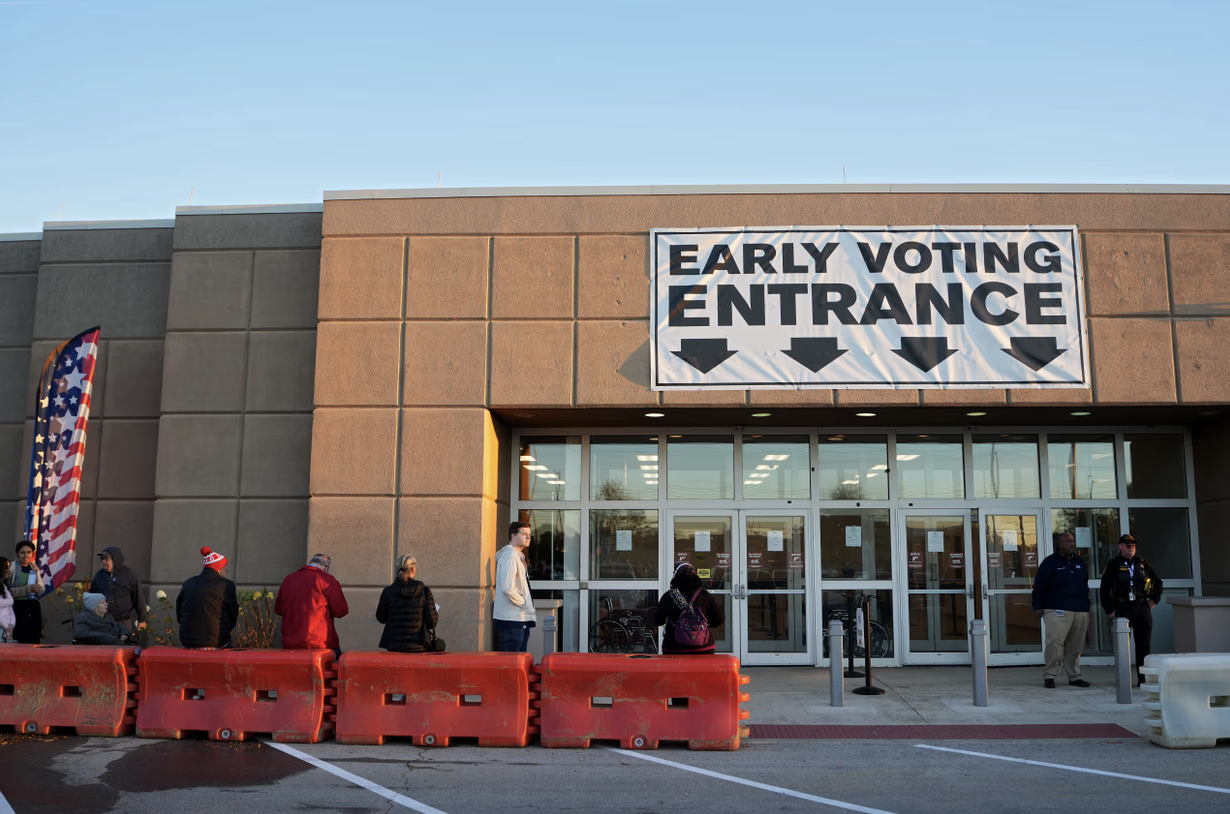
With less than eight weeks until Election Day, we’re in the midterms’ final phase. Absentee ballots are already being mailed, while four states begin early in-person voting in less than two weeks, and nine more within the next month. It’s time for each party to put down big bets on what in these last days could bring victory.
But neither side seems to have much of an instinct for it this election season.
Democrats appear to believe it’s sufficient simply to blame President Trump for the economy and offer hazy promises to do something about housing, grocery, healthcare and gasoline prices. No need to explain what Democrats would do, how it would work, or what it would cost. Just trash Mr. Trump and chant “affordability.”
True, voters don’t trust the GOP on economics. But many don’t trust the Democrats either. A Reuters/Ipsos poll released in August found 37% of Americans felt Democrats had “a better plan, policy or approach to the U.S. economy,” while 36% said the Republicans did.
Democrats fared better on inflation—at least compared with the GOP. Another recent Reuters/Ipsos poll found 36% favored the Democratic approach, only 28% the Republican. Still, that leaves big chunks of the electorate open to whichever party does a better job of selling its approach to the economy and rising prices. The word “affordability” alone isn’t much of a pitch.
Instead of trying to get hard-left candidates in line, Democrats are also betting they can deflect criticism by saying they’re the “big tent” party. This still leaves normal Democrats open to attack. They’ll be asked if they share the stances of the Democratic Socialists of America candidates—especially where their names appear on the same ballot. No matter how normal candidates answer—drawing a hard line between themselves and radicals or dismissing concerns as overblown—it could add to the sense that the traditional Democratic Party that voters were comfortable with is no more.
Less-normal Democrats have the difficult task of shaking off their own past far-left comments. They’re trying to diminish those wacky statements by calling them “cringey” (Texas Senate candidate James Talarico). Or to excuse themselves by claiming it was “not my intention” to be “hurtful” (Michigan Senate candidate Abdul El-Sayed). But vague statements that don’t draw a bright line between these candidates and their pasts only get them so far—see the mockery of Rep. Alexandria Ocasio-Cortez’s dismissal that “Woke 1 was crazy.” Republicans can still make Democrats eat their words, especially when there’s video.
Still, the Republican campaign strategy doesn’t look much better. It’s good news that Mr. Trump finally announced Friday that he’ll open his record $1 billion campaign war chest. He says he’ll spend up to $500 million from his political-action committees now and keep the balance, perhaps for the 2028 election. But it’s already late and could prove too little.
This close to Election Day, advertising airtime sells at a premium. While candidates and party committees by law can buy ads at the lowest unit rate a TV station charges for any nonpolitical client, a PAC has to buy what the market will bear. If Mr. Trump’s MAGA Inc. plans to spend $10 million on the Texas Senate race across the next two weeks—as its Federal Election Commission filings indicate—Mr. Talarico can probably match it by spending $4 million to $6 million.
Realistically, Team Trump will need to spend $100 million or more in Texas alone in the remaining weeks to offset Mr. Talarico’s likely ad buy. With more than half a dozen key Senate races and nearly 40 important House races on the line, the cost adds up quick.
If instead the president insists on keeping $500 million for after the midterms and Republicans lose important races for lack of resources, donors will be irritated. So will GOP losers in close races.
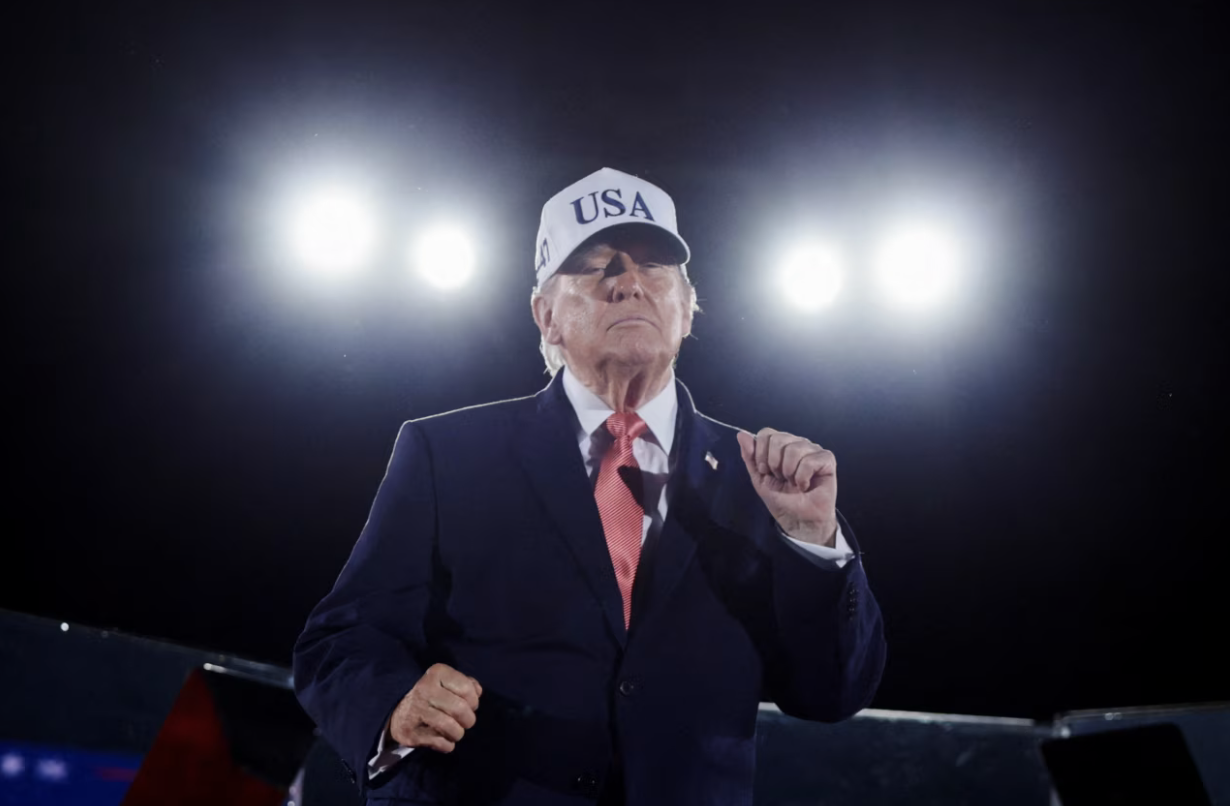
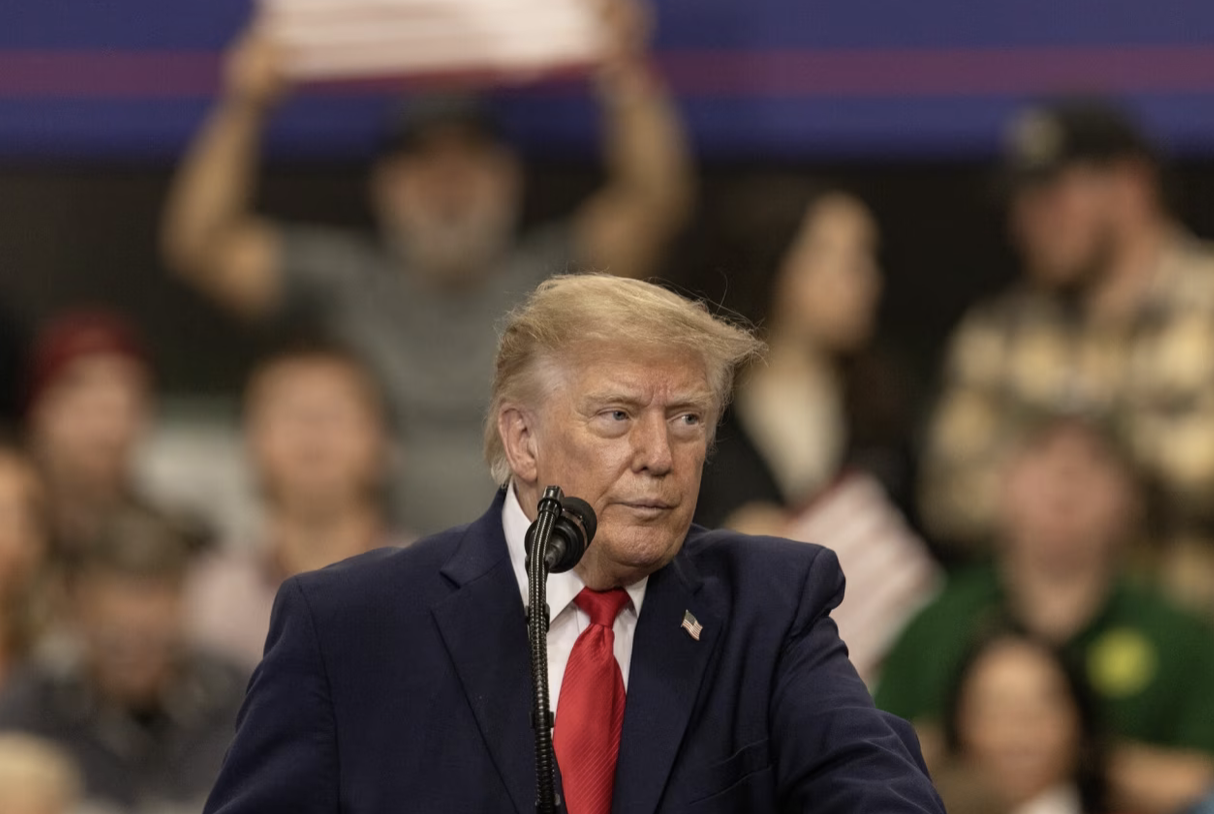
Mr. Trump apparently assumes making the election about him is the GOP’s path for victory. He plans to campaign aggressively in October and is already in rally mode, speaking back-to-back nights at the Republicans’ first-ever midterm convention, in Dallas this week.