A presidential candidate’s most important asset is his authenticity. So Democrats should be concerned that President Biden is so effectively undermining any sense that the return to decency he pitched in 2020 was genuine.
Yes, presidential elections often turn on big issues and sharp ideological differences, on notable gaffes and tireless campaigning. But in most cases, a key element of victory is how apparently earnest a candidate is in making a case that resonates with the electorate.
During the 1980 campaign, voters grew to trust in Ronald Reagan as a great communicator who would do what he said he would. It was authenticity that got his predecessor elected, too. In 1976, distrustful of politicians and politics after Watergate, many Americans wanted morality returned to the Oval Office and narrowly elected Jimmy Carter, a born-again Christian.
As the nation’s economy sputtered in 1992, voters sought a candidate with empathy. Many believed Bill Clinton felt their pain. And in 2000 George W. Bushcame across as genuine and likable—someone you’d like to share a beer with (non-alcoholic in his case)—while Al Gore did not.
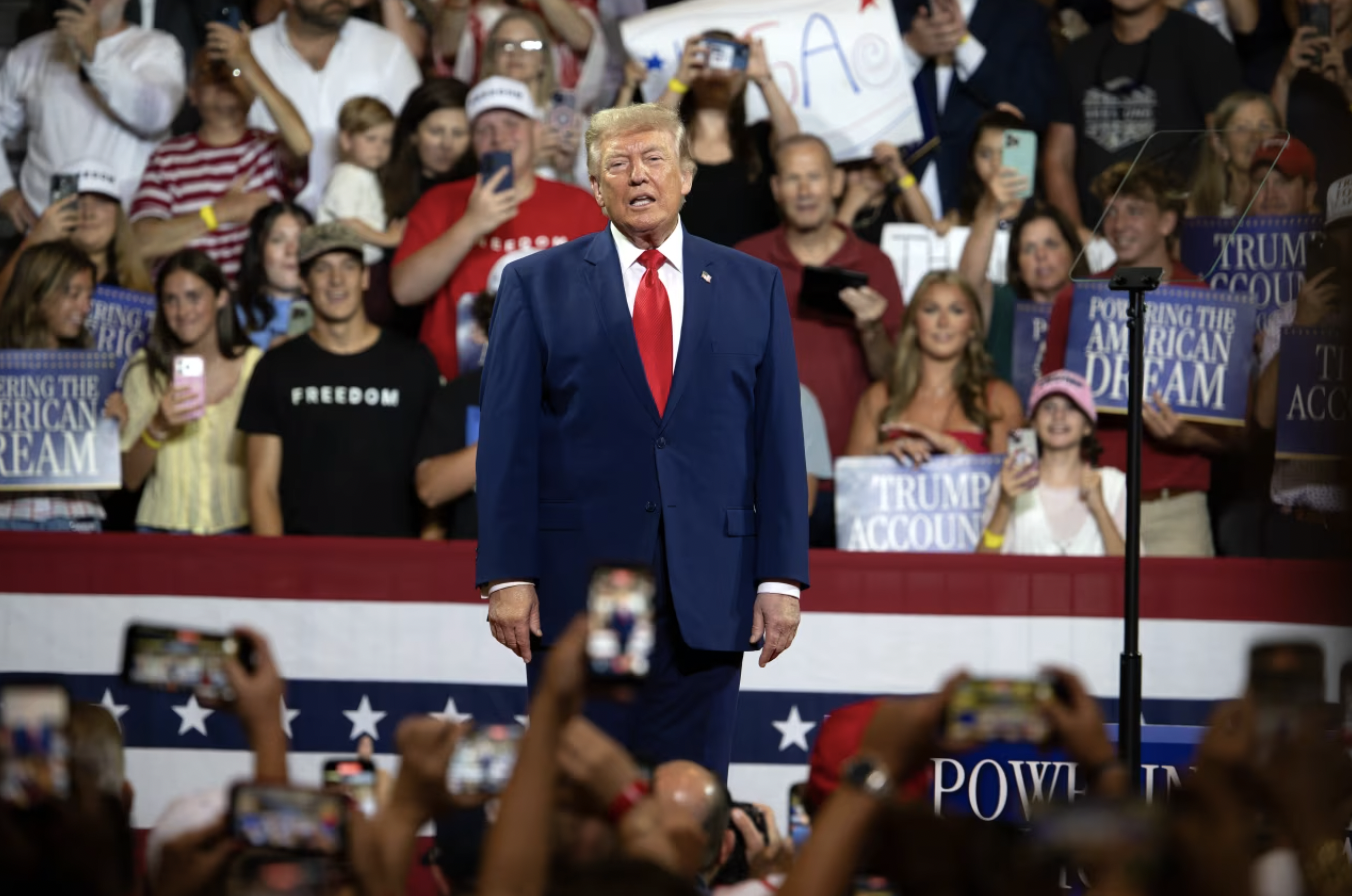
Even as our country has become more polarized, authenticity has remained the decisive variable in tight presidential elections. In 2016 swing voters wanted a disrupter who would throw a brick through Washington’s plate glass window, so they helped elect Donald Trump, who genuinely seemed disruptive.
In 2020, after four years of chaos, swing voters wanted someone who would “restore the soul of America.” Democrats sold what seemed an authentic story: Joe Biden of Scranton, Pa.—the “everyman” politician and personal friend of Amtrak conductors—would rid the White House of crazy, restore normality to Washington and through decency and collegiality make government work again. But Mr. Biden is now undermining the chance that voters will buy that this is the real Joe in 2024.
The most obvious recent example is the president’s refusal to acknowledge his seventh grandchild, the result of his son Hunter Biden’s liaison in 2018 with a former stripper. Hunter says he doesn’t remember linking up with the child’s mother and refused to acknowledge he was the father or provide child support until a court-ordered test established his paternity. In late June, Hunter came to an agreement with the girl’s mother to provide monthly child support and some of his paintings. In return the mother agreed not to use Biden as his daughter’s last name.
If President Biden had acted with graciousness and opened his heart to his now four-year-old grandchild, he would have done himself much good. Imagine if he had welcomed her into the family, introduced her to her cousins and treated her as a wonderful addition to the Biden line. Instead, he joined his son in rejecting her.
It’s ugly, and there’s been serious blowback. When a Democratic president loses New York Times columnist Maureen Dowd over a question of basic decency, you know he’s in trouble.
It didn’t help matters that, the day after Hunter got a plea deal on federal income tax and gun charges, the president had his son attend the White House state dinner for Indian Prime Minister Narendra Modi. Hunter’s grinning mug was splashed all over the coverage, reminding voters how easy he got off from his drug-and-alcohol addled years of squeezing cash out of foreign bad actors by trading on his father’s name and position.
A presidential candidate’s most important asset is his authenticity. So Democrats should be concerned that President Biden is so effectively undermining any sense that the return to decency he pitched in 2020 was genuine.
Yes, presidential elections often turn on big issues and sharp ideological differences, on notable gaffes and tireless campaigning. But in most cases, a key element of victory is how apparently earnest a candidate is in making a case that resonates with the electorate.
During the 1980 campaign, voters grew to trust in Ronald Reagan as a great communicator who would do what he said he would. It was authenticity that got his predecessor elected, too. In 1976, distrustful of politicians and politics after Watergate, many Americans wanted morality returned to the Oval Office and narrowly elected Jimmy Carter, a born-again Christian.
As the nation’s economy sputtered in 1992, voters sought a candidate with empathy. Many believed Bill Clinton felt their pain. And in 2000 George W. Bushcame across as genuine and likable—someone you’d like to share a beer with (non-alcoholic in his case)—while Al Gore did not.