Count on Democrats to be all over any political happening in Texas that casts them in a positive light.
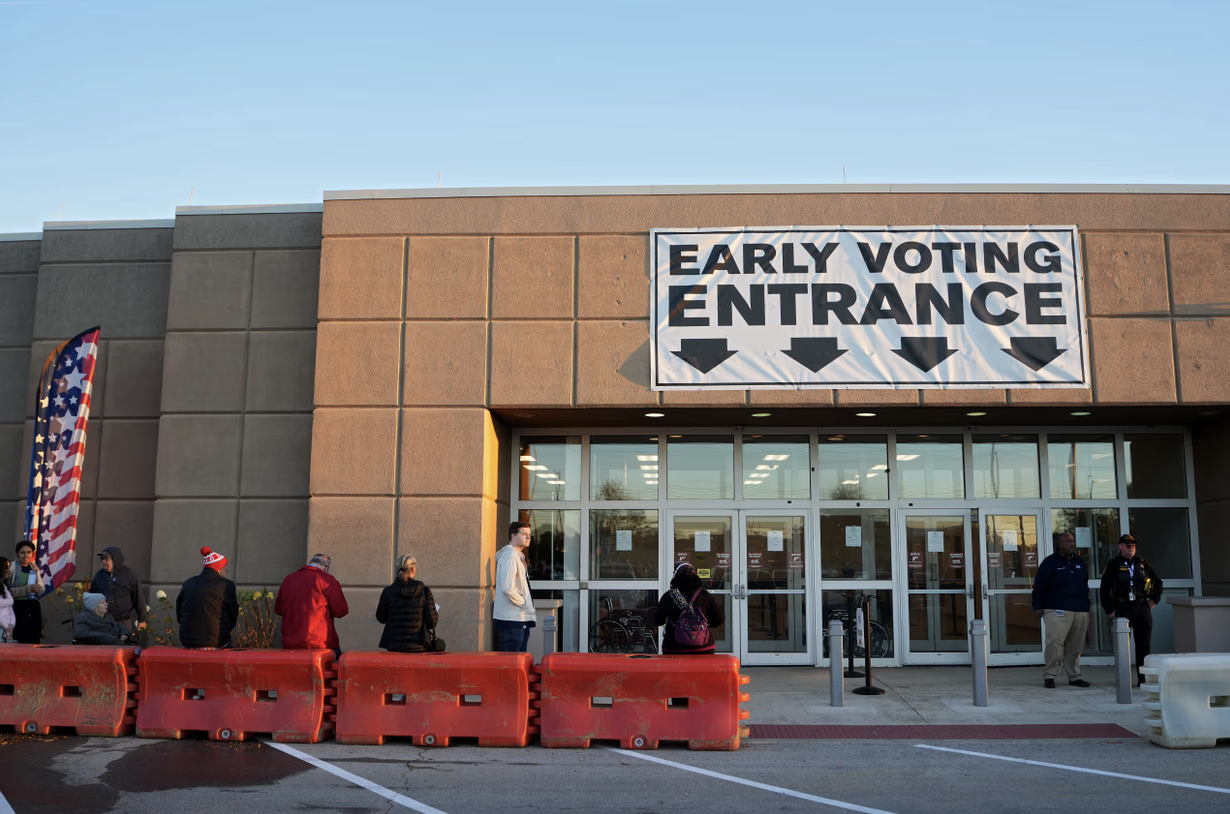
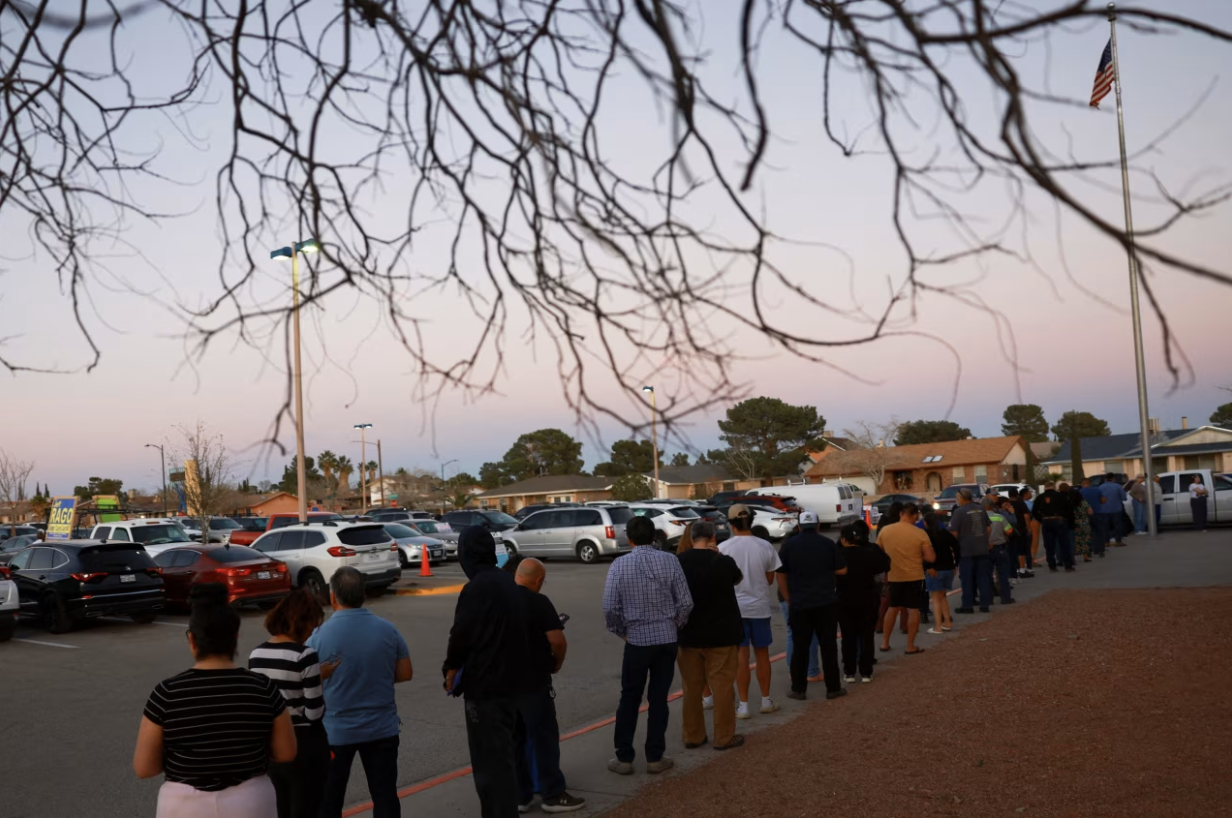
Such is the case after last week’s Lone Star State balloting, in which 2.3 million Texans voted in the Democratic primary and 2.2 million in the Republican primary. The “higher turnout on the Democratic side,” the Texas Tribune wrote, “has helped fuel Democrats’ hopes that backlash to President Donald Trump’s policies could propel them to their first statewide win since 1994.”
A Southern Methodist University political science professor suggested that while Democrats weren’t “generally” thought to have that “great of a chance to win statewide office,” that may not be true “this time.”
An NBC News analyst argued “Democrats have matched their hype with real numbers at the polls.” Turning out more of them in the primary than Republicans did “left no doubt that Democrats have the will to win Texas.”
Hold your horses. Primary turnout isn’t a reliable predictor of general-election outcomes.
In 2020, more Texas Democrats voted than Republicans in the presidential primary, 2.1 million to two million. That fall, Donald Trump beat Joe Biden in the state 52% to 47%, while Republican Sen. John Cornyn was re-elected with 54% of the vote. The rest of the GOP statewide ticket received between 53% and 55% of the vote.
In 2008, 2.9 million Texans voted in the Democratic primary, more than double the Republican 1.4 million. Yet that November, Sen. John McCain carried Texas with 56% of the vote compared with Barack Obama’s 44%. Mr. Cornyn won his first re-election, 55% to 43%.
In 2004, more than 800,000 Texans participated in the Democratic primary. Fewer than 700,000 came out for the Republican primary. Still, President George W. Bush carried the state, 61% to 38%. The rest of the GOP statewide ticket against Democratic opponents received between 55% and 59%.
The last time Democrats outvoted Republicans in a midterm primary was 2002. A million Democrats voted, vs. just over 600,000 Republicans. Yet Mr. Cornyn scored his first Senate victory by beating Dallas Mayor Ron Kirk 55% to 43%, while Gov. Rick Perry, who as lieutenant governor succeeded George W. Bush when he was elected president in 2000, won a full term, 58% to 40%.
The historical record suggests it’s a stretch to believe Republicans being outvoted in a primary indicates a Democratic general election statewide victory.
Some observers have said the increased turnout in heavily Hispanic counties was a harbinger of a Democratic victory this fall. Noting that among Hispanics “turnout was high,” New York Times chief political analyst Nate Cohn wrote that 2026 “is shaping up to be a strong one for Democrats” in Texas.
Maybe. But even Mr. Cohn admitted local politics might have driven Democratic turnout in heavily Hispanic, heavily Democratic counties. He cited Starr County in South Texas: Half the Democratic primary voters “left their ballots blank in the Senate race.” They’d turned out for the contest for county judge—the county chief executive position in Texas.
This happened with Democrats in other heavily Hispanic counties. In Cameron County (Brownsville and Harlingen), more votes were cast in the Democratic primary for county judge than in the gubernatorial primary. In Hidalgo County (McAllen, Edinberg, Mission and Pharr) more votes were cast in the county treasurer’s race than in the gubernatorial primary. In Webb County (Laredo), the country judge and treasurer contests drew more votes than either the Senate or gubernatorial race.
This isn’t to say everything is hunky-dory for Texas Republicans. A recent special election to fill a state Senate vacancy points to the GOP vulnerability that prognosticators should focus on. Democrats nominated Taylor Rehmet, a normal, middle-of-the-road-appearing everyman. Republicans nominated Leigh Wambsganss, a hard-right angry divider. The Democrat won, flipping a suburban seat Republicans had held for decades.