The zig and zags of politics have been dizzying recently. But some of the turns seem to be in a good direction.
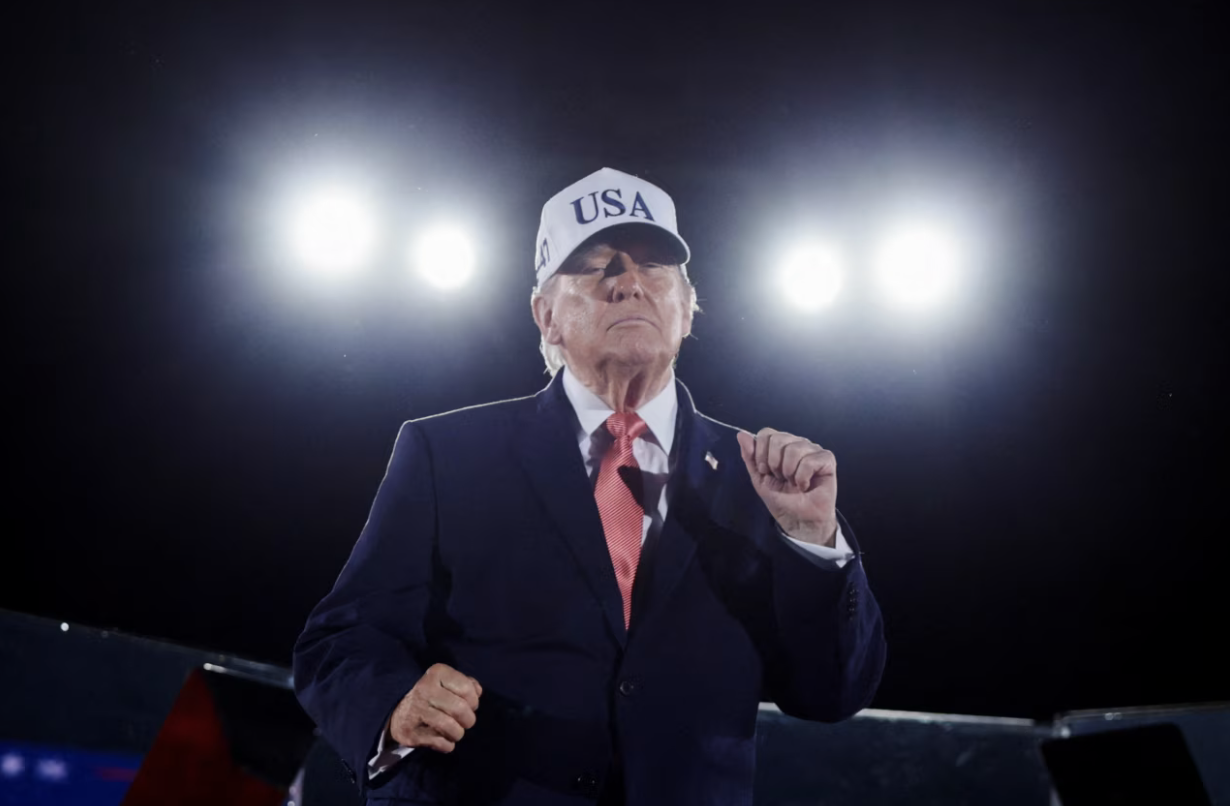
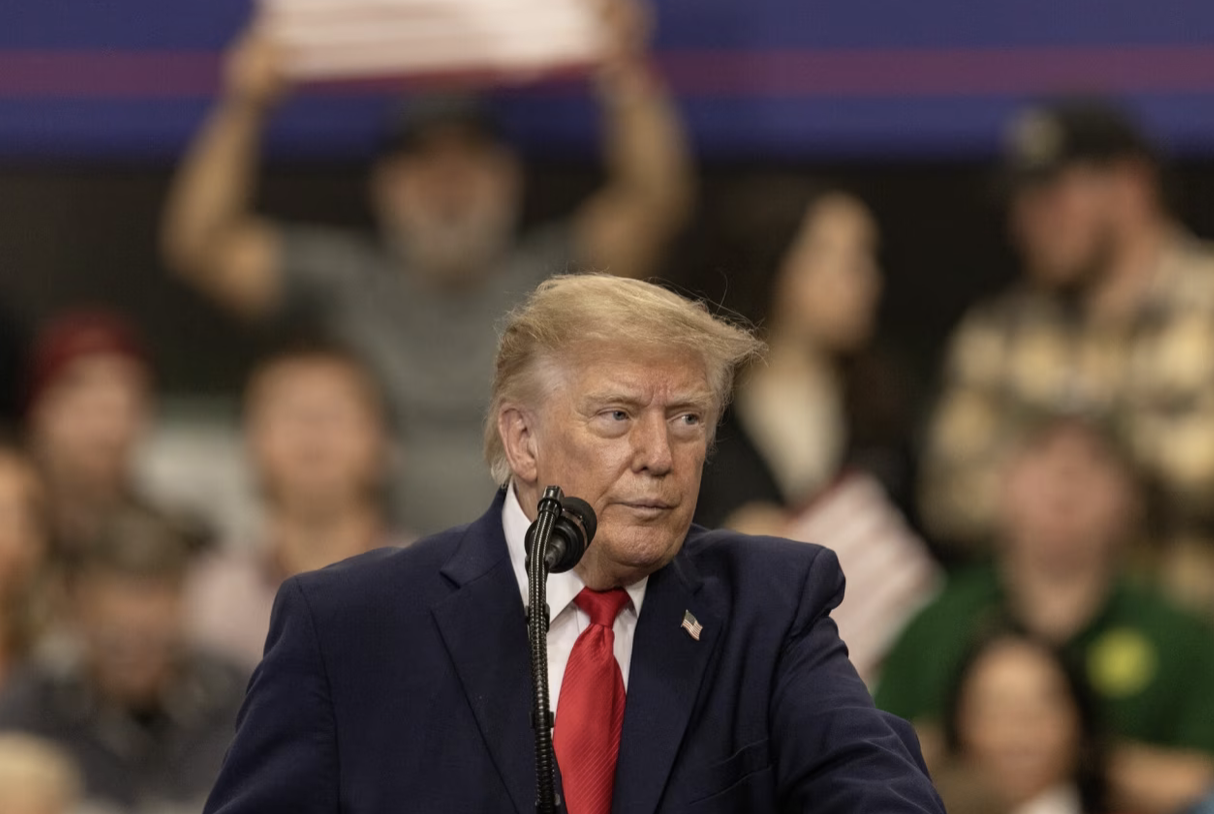
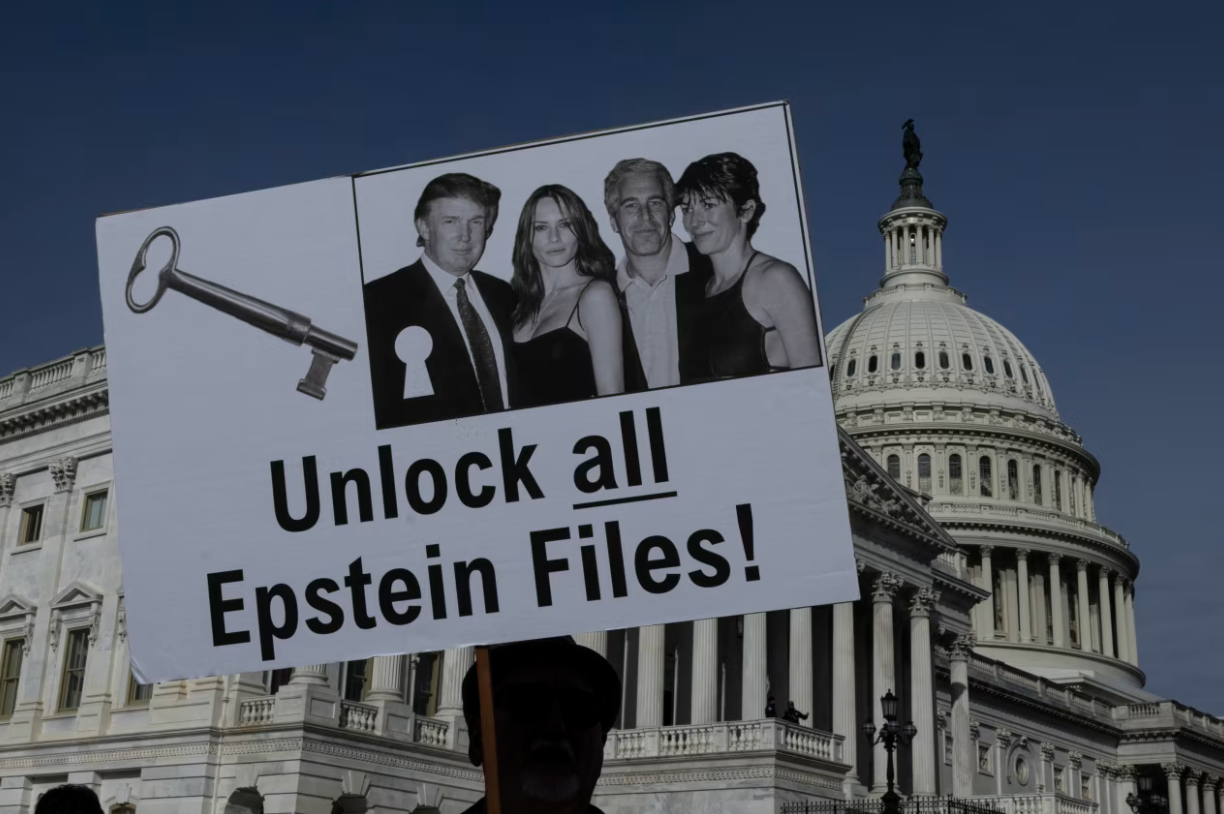
One is President Trump’s reversal on Jeffrey Epstein. After months opposing a bill requiring the Justice Department to release its records on the convicted sex offender, Mr. Trump flipped Sunday and demanded its passage.
This was wise and overdue. The more the president resisted the documents’ release, the more Americans thought he was hiding something.
The record suggests he isn’t. Yes, Mr. Trump and Epstein were pals on the social circuit, photographed together at events. But no credible evidence has surfaced showing he participated in Epstein’s crimes.
Mr. Trump claims that in the mid-2000s he discovered Epstein was poaching young female employees from Mar-a-Lago. He then kicked Epstein out and cut ties.
On Tuesday the House and Senate passed the Epstein files bill with only one nay vote. Mr. Trump should sign it into law and drop the subject. The same applies to his demands that the Justice Department investigate Democrats whose names appear in Epstein’s files. These attacks fire up the Democratic base and raise doubts among voters that he doth protest too much.
The administration made another wise reversal recently. Treasury Secretary Scott Bessent announced it would cut tariffs on products including coffee and bananas. That’s welcome news for U.S. consumers. Tariffs raise prices, and some of these are things American workers can’t produce at all (bananas) or in sufficient quantities (Hawaii alone can’t supply U.S. coffee needs). These imports deserve zero tariffs.
Mr. Trump’s favorite president, William McKinley, would approve. He became convinced during the 1890 congressional tariff debates that it was in America’s interest to lower tariffs on goods the U.S. couldn’t or didn’t produce. Instead, he pursued reciprocal trade agreements with countries, especially in the Western Hemisphere, that had a comparative advantage in producing particular goods.
Another area in which the GOP would be wise to move in new directions is healthcare. The government shutdown put the spotlight on Democratic demands to continue Covid-era Affordable Care Act subsidies. Polls show Americans see healthcare costs as a key part of their personal economic well-being.
Democrats will make healthcare affordability a central midterm issue. It’ll be impossible for Republicans to ignore and unlikely they’ll win over most voters to their side. But the GOP can—and must—narrow the Democratic advantage.
Democrats believe layering on more government rules, regulations and red tape will make healthcare cheaper. The GOP believes that approach hasn’t worked. Since the passage of the ACA, healthcare has become far more expensive, not less; hence the large, supposedly temporary subsidies Democrats now want to make permanent.