What if much of what we think we know about the midterms is wrong? Both parties are betting on expectations that may not pan out. Let’s count the ways conventional wisdom could prove mistaken.
Republicans have a fundraising advantage that could drown Democrats in ads. But Team Trump decided to start spending lavishly on ads only a few weeks ago, and more than a few GOP campaigns I’ve talked to are worried it’s too late. The recent stream of anti-Democrat ads doesn’t seem to be moving the needle for Republicans. What if many voters locked in their opinions during the summer, before the ad blitz began?
Democrats lead the generic ballot, 50.4% to 41.8%, in the RealClearPolitics average. That’s a 10-point swing away from Republicans from the 2024 presidential race’s popular vote. But what if, at least in the House, that’s too broad a measure for the races that matter most? A Sept. 17 Cook Political Report poll says the Democratic advantage across the 37 battleground districts is 2 points—only a 7-point swing compared with Donald Trump’s performance in 2024. That could mean a smaller pickup than they expect.
Republicans have juicy targets in opponents who are Democratic Socialists of America members or fellow travelers. The DSA platform is a collection of dangerous, obnoxious and crazy ideas. Many DSA or adjacent candidates have plenty of video confirming their out-of-the-mainstream views. But will the GOP let clips of their opponents speak for them or default to generic insults?
Democrats have Mr. Trump where they want him. His overall approval rating in the RCP average is awful: 39% approval vs. 59.5% disapproval. It’s even worse on key issues—the economy (34% to 62.8%) and inflation (27.4% to 69.1%). But what if voters don’t trust Democrats either? At 38.3% approval, they’re less popular than the president.
Republicans have the biggest political megaphone: As president, Mr. Trump can instantly command national attention with a speech, TV appearance or even Truth Social post. But what if what he says is counterproductive? Who thinks it helped when he aired his $5,000-a-person “Trump Dividend” proposal without briefing party congressional leaders, leaving them flatfooted? What about his flip-flopping from his claim last week that “Iran wants to make a deal, quickly and badly” to his threat this week to “annihilate the Islamic Republic and do it quickly”?
Democrats have found a possible winning issue—affordability. They’re promising to lower prices for housing, fuel, groceries and other necessities. But what if voters see these pledges as empty talk?
Republicans have a record of success to run on: closing the border, keeping Americans from a record tax hike by passing the Big Beautiful Bill, and virtually ending peak wokeism by attacking DEI in all its forms. But what if voters are more concerned with problems they face now?
Democrats have a veritable army of 2028 presidential hopefuls flooding the zone in battleground races, drawing attention to themselves while attacking Republican House and Senate candidates. But most voters aren’t in 2028 mode—what if they don’t care about these appearances?
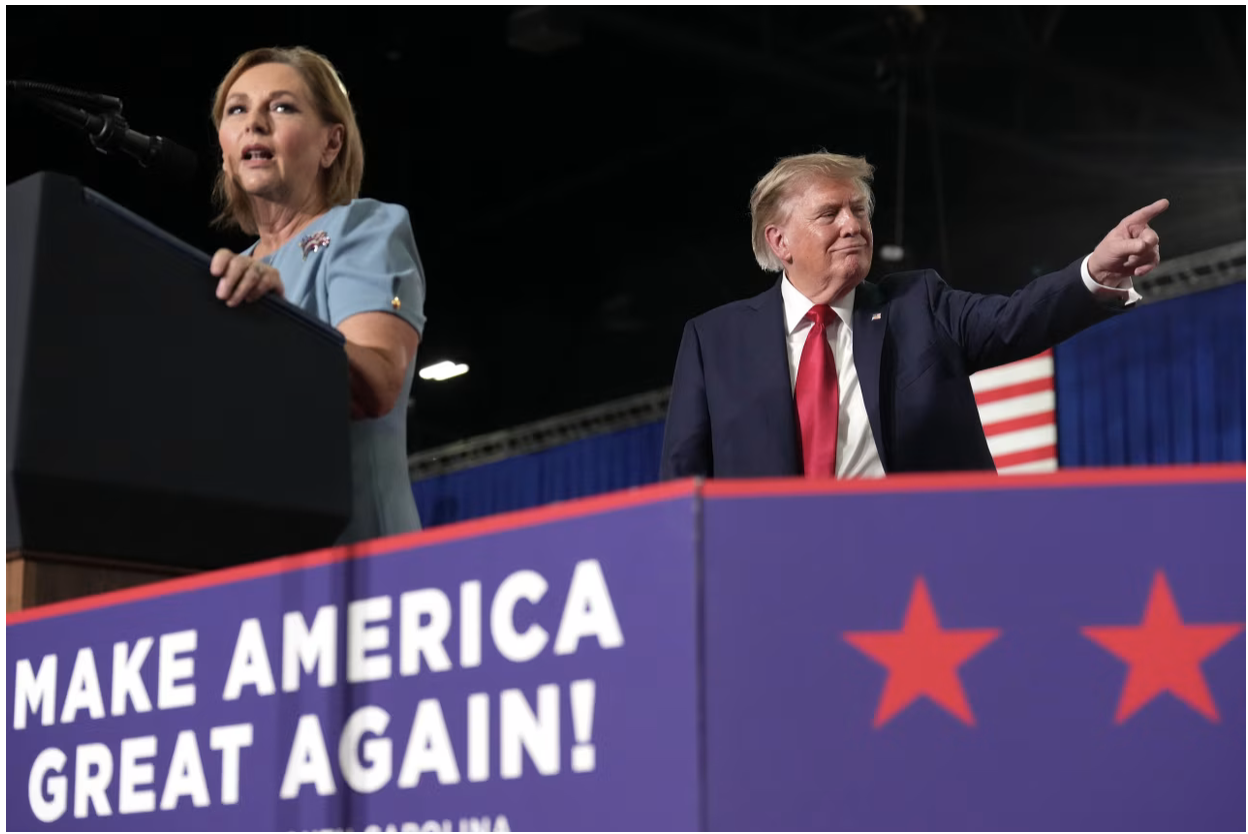
Republicans believe their focus must be on getting out low-propensity MAGA voters, hence Mr. Trump’s plea to “pretend, please, that I’m on the ballot.” But what if the GOP’s real problem is the 46% of non-MAGA Republicans who said in a Sept. 14 Fox News poll that they disapprove of the job Mr. Trump is doing as president?